
🏃 What Makes a Great Summer Camp for Kids Ages 7–13?
Choosing the right summer camp for your child can feel overwhelming—especially with so many options available across Ottawa.
Parents often search for things like summer camps Ottawa, best summer camp for kids, or how to choose a summer camp. But beneath all of that is a simpler, more important question:
👉 What actually makes a summer camp great for kids ages 7–13?
At this stage, children are developing rapidly—physically, socially, and emotionally. A great camp doesn’t just keep them occupied. It gives them an environment where they can move, engage, and grow in a way that feels natural and exciting.
🔥 1. Consistent Physical Activity (Not Just Occasional Play)
Kids don’t just benefit from movement—they depend on it.
In many programs, physical activity is treated as a small part of the day. A quick game here, some outdoor time there. But for kids ages 7–13, that simply isn’t enough. They have energy that needs an outlet, and when that outlet isn’t provided, it often shows up as restlessness, boredom, or even frustration.
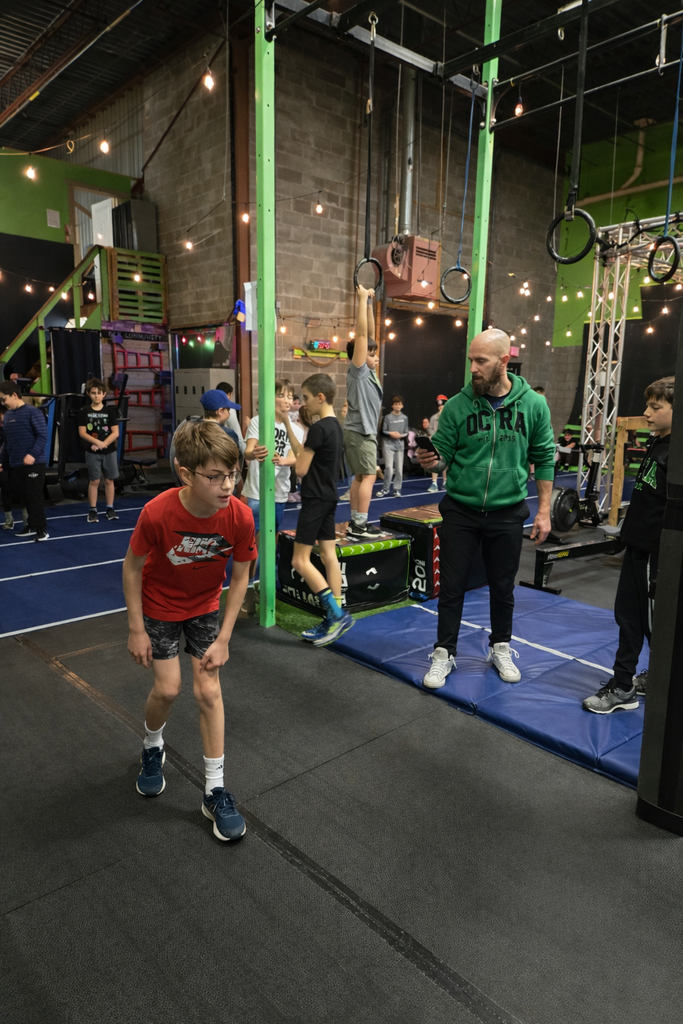
A great active summer camp builds movement into the entire structure of the day. Instead of isolated bursts of activity, kids are consistently engaged in physical challenges that keep them moving, thinking, and participating. This kind of sustained activity leads to noticeable improvements—not just in fitness, but in mood, focus, and overall behavior.
🧠 2. Structured, Coach-Led Programming
While “free play” sounds appealing, it often leaves kids unsure of what to do next. Without clear direction, some children thrive—but many lose interest quickly.
Structure doesn’t mean rigidity. In a great camp environment, structure provides a framework that allows kids to fully engage. Coach-led programming ensures that every part of the day has purpose. Kids know what they’re doing, why they’re doing it, and how they can improve.
This kind of environment builds confidence. When expectations are clear and guidance is consistent, children are far more likely to participate, try new things, and stay engaged throughout the day.
⚡ 3. High Engagement (No “Dead Time”)
One of the clearest signs of a great camp is how little downtime there is.
Children don’t disengage because they lack interest—they disengage when there’s nothing pulling them in. Waiting around, unclear instructions, or long transitions between activities can quickly break momentum.
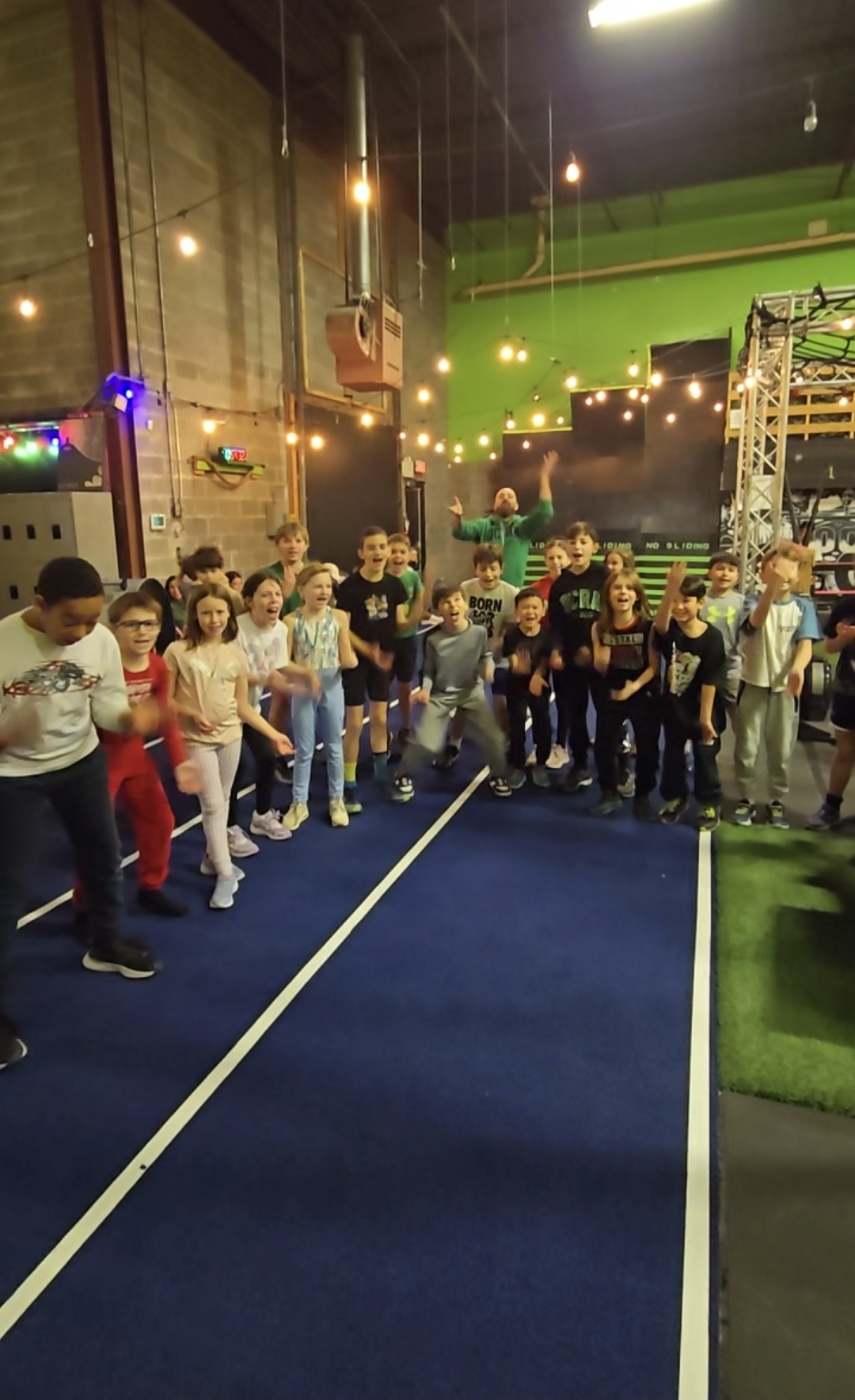
In contrast, a well-run camp maintains a steady rhythm. Kids move from one activity to the next with purpose. They stay mentally and physically involved, which makes the day feel faster, more exciting, and far more rewarding.
For parents of high-energy kids—or kids who “get bored easily”—this level of engagement can make all the difference.
💪 4. Confidence-Building Through Challenge
Confidence isn’t something that can be handed to a child—it has to be built.
The most effective way to build confidence is through challenge. When kids are given the opportunity to try something difficult, struggle a bit, and eventually succeed, they begin to see what they’re capable of.
A great camp introduces challenges that are appropriate for the child’s age and ability level. These challenges aren’t overwhelming, but they aren’t easy either. They create moments where kids push themselves just enough to grow.
Over time, these small wins add up. Kids begin to believe in themselves, take more initiative, and approach new situations with a stronger sense of confidence.
😴 5. A Positive Impact at Home (Sleep, Mood, Routine)
The benefits of a great camp don’t stop when the day ends—they follow kids home.
Parents often notice changes almost immediately. Bedtime becomes easier. Kids fall asleep faster and sleep more deeply. Evenings feel calmer, and routines become easier to maintain.
These changes aren’t accidental. They’re the result of a full day of physical activity, structured engagement, and reduced screen time. When kids have the right kind of output during the day, everything else starts to fall into place.
For many families, this becomes one of the most valuable outcomes of all.
👥 6. Social Development Through Shared Activity
At ages 7–13, social experiences play a major role in development.
A great camp doesn’t force interaction—it creates an environment where it happens naturally. When kids are engaged in shared activities, working through challenges together, and celebrating small wins, connections begin to form.
These interactions help kids develop:
- communication skills
- teamwork
- social confidence
Because the focus is on doing—not just talking—these relationships tend to feel more natural and less pressured.
🎯 7. A Program Kids Actually Want to Return To
At the end of the day, there’s one question that matters more than anything else:
👉 Does your child want to go back?
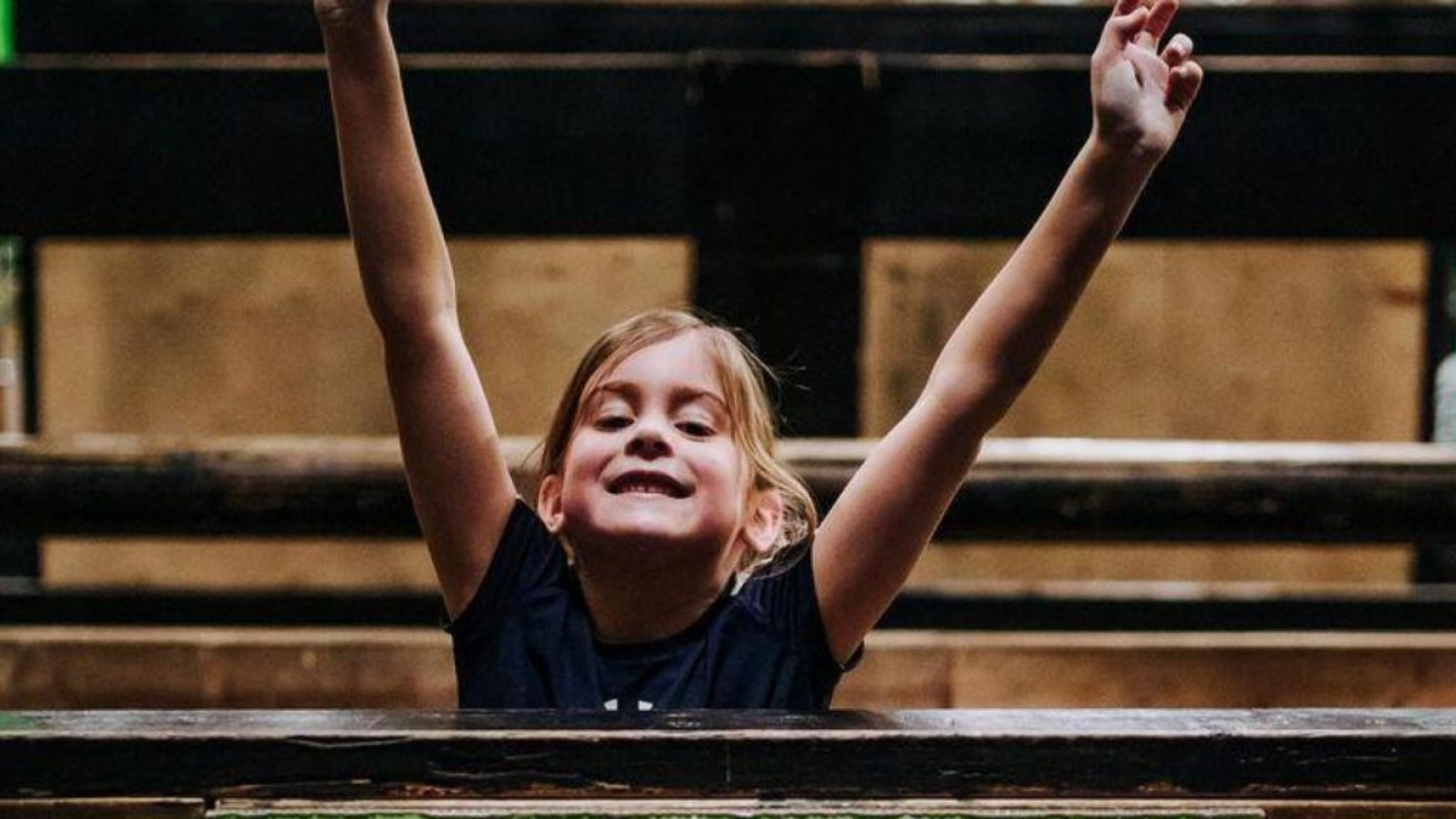
When a camp is truly effective, kids don’t just enjoy it—they look forward to it. They talk about what they did, what they accomplished, and what they want to try next.
They come home tired, but in a positive, satisfying way. And instead of needing to be convinced to return, they ask for it.
That’s the clearest sign that a camp is doing something right.
📍 Finding the Right Summer Camp in Ottawa
If you’re searching for summer camps in Ottawa, it helps to focus less on how many activities are offered and more on how those activities are delivered.
Look for a program that prioritizes:
- consistent movement
- structured coaching
- high engagement
- confidence-building experiences
You can explore available programs here:
👉 https://www.ocracademy.ca/kids-camps/
🧠 Final Takeaway
A great summer camp isn’t defined by variety alone.
It’s defined by how well it:
- keeps kids engaged
- supports their development
- and creates an experience they genuinely enjoy
When those elements come together, the results are easy to see—not just during the day, but long after it ends.
To sign up for one of our summer camps
1. Sign a wavier at ocracademy.ca/wavier/
2. Select your weeks from our booking page ocracademy.ca/kids-camps/