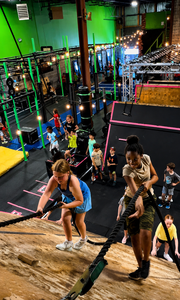
The goal is to teach our members for not just how to exercise, but how to understand what their bodies and the machines are telling them. We want to develop smarter athletes, not simply more exhausted ones. We help you get through a Deka or aHyrox event confidently.
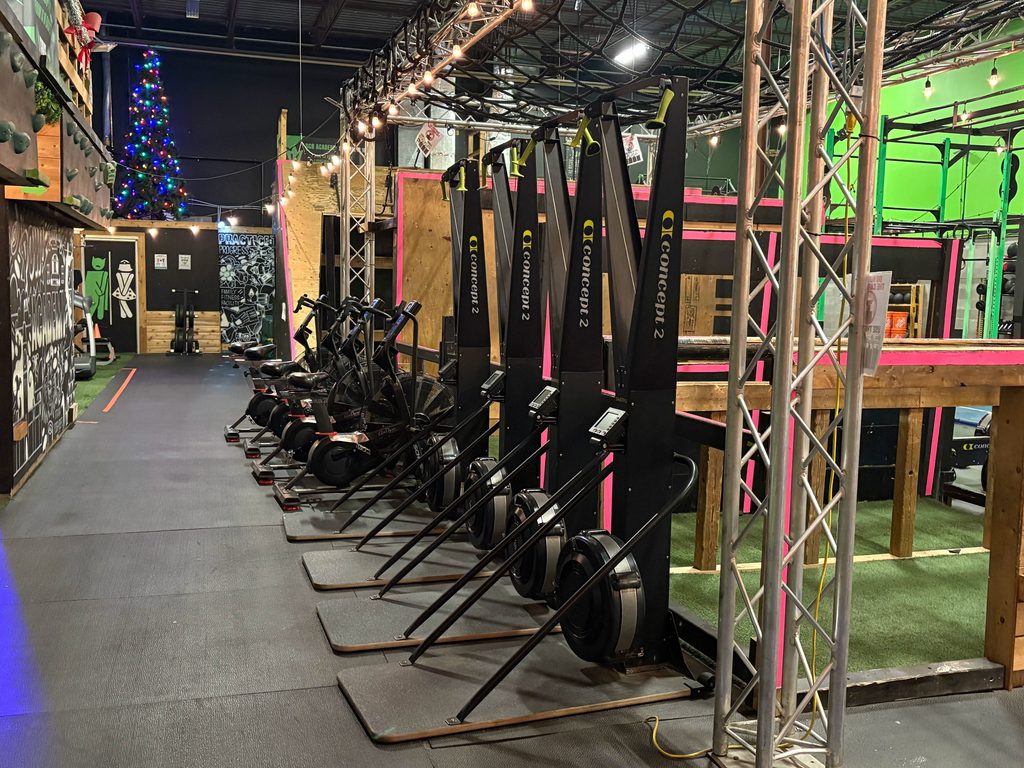
Meet your Cardio machines
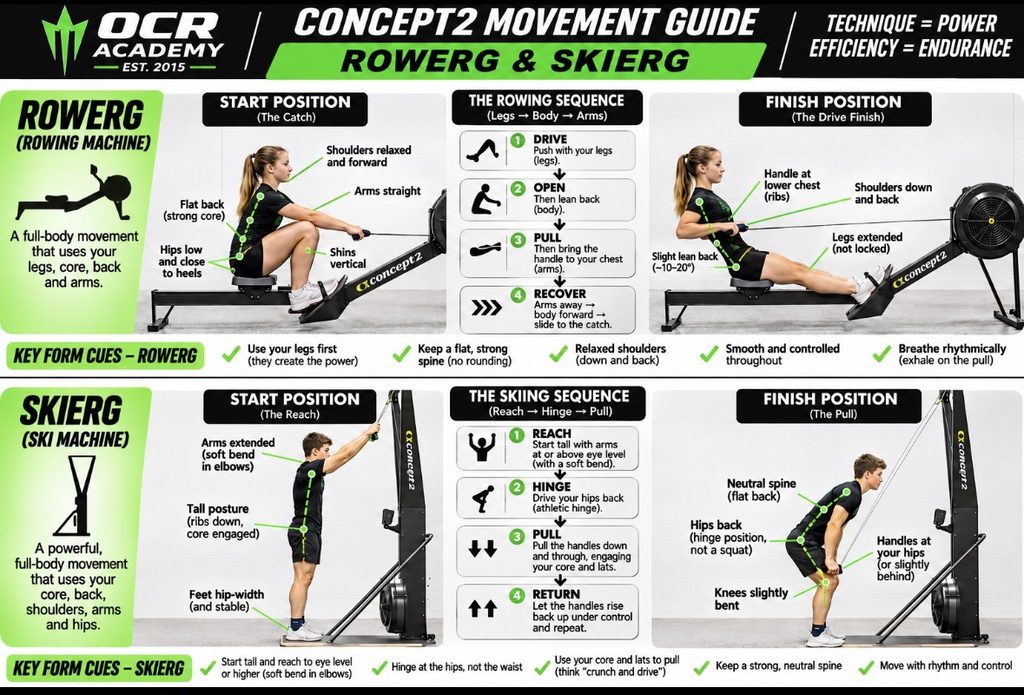
RowErg – The rower
Uses your legs, core, back and arms. Imagine pushing a boat across a lake.
Movement: Push, lean, pull, return.
SkiErg – The skier
Uses your core, shoulders, back, arms and lower body. Imagine using ski poles to travel through the snow.
Movement: Reach, hinge, pull, return.
BikeErg – The cyclist
Primarily uses your legs, glutes and cardiovascular system.
Movement: Smooth, continuous pedalling.
2. Understanding the Concept2 screen
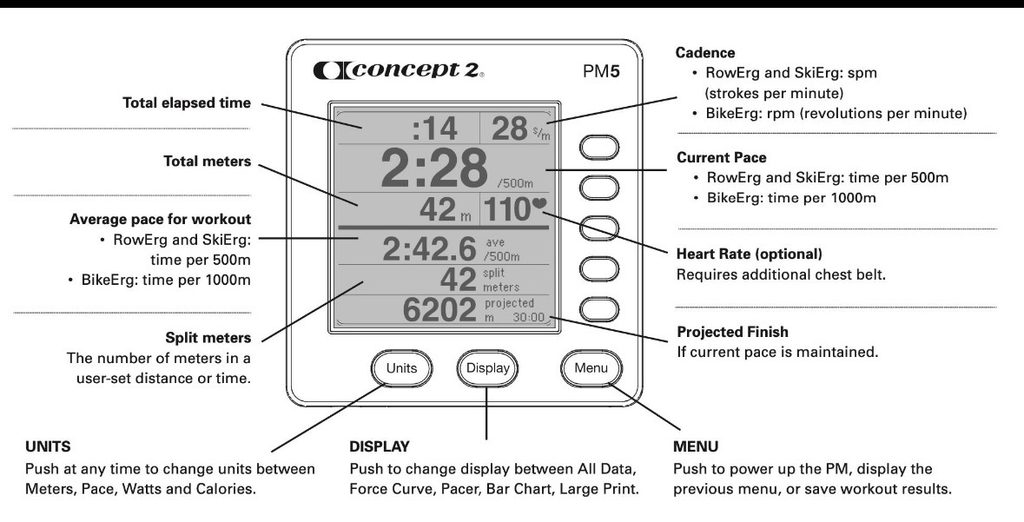
Calories are an estimate, not an exact measurement of what your body burns. For children, I would focus primarily on power, distance, technique and endurance rather than calorie targets.
3. What are watts?
Watts measure power, or how quickly you are doing work.
Imagine that your body is an engine and you control the accelerator. The harder and faster you can effectively apply force, the more power you can produce.
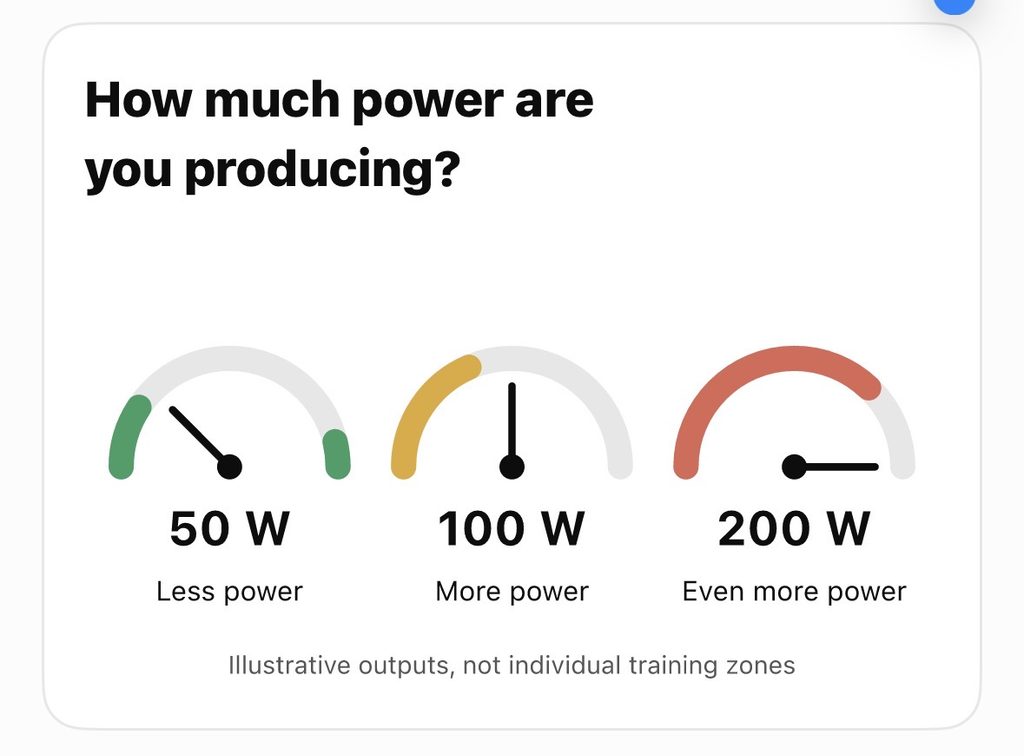
Classroom experiment: Power versus speed
Ask your students to row at 20 strokes per minute. Without increasing their stroke rate, challenge them to increase their wattage by pushing harder with their legs.This teaches them that moving faster and producing more power are not necessarily the same thing.
4. What are meters?
Meters represent how far the machine calculates you would have travelled.
If two students row for five minutes, the student who maintains a higher average power on the same type of machine will generally travel farHowever, we don’t always want to travel as far as possible. Sometimes our objective is to maintain a consistent pace for longer.
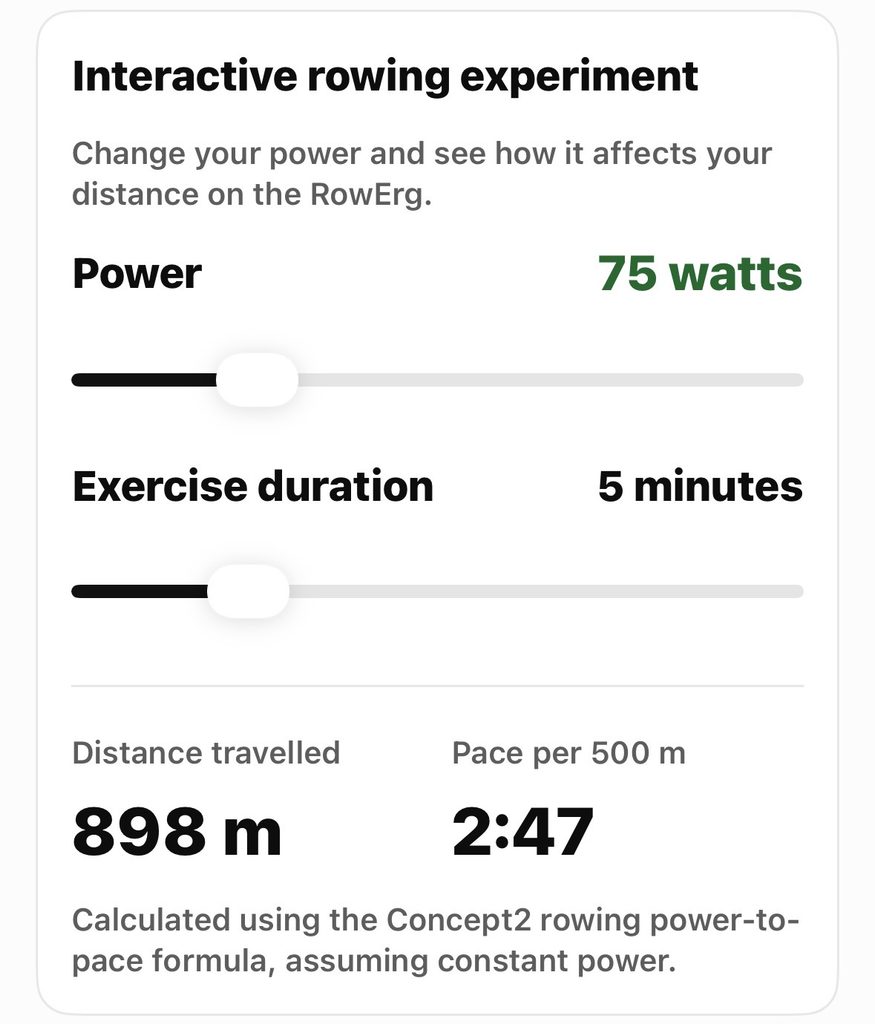
A great question to ask the students:
Would you rather produce 200 watts for one minute or learn to maintain 100 watts for twenty minutes?
Neither is automatically better. They train different abilities.
5. Understanding air resistance
The lever on the side of the machine is called the damper.
It controls how much air enters the flywheel. The more air that enters, the faster the flywheel slows between efforts and the heavier the movement can feel.
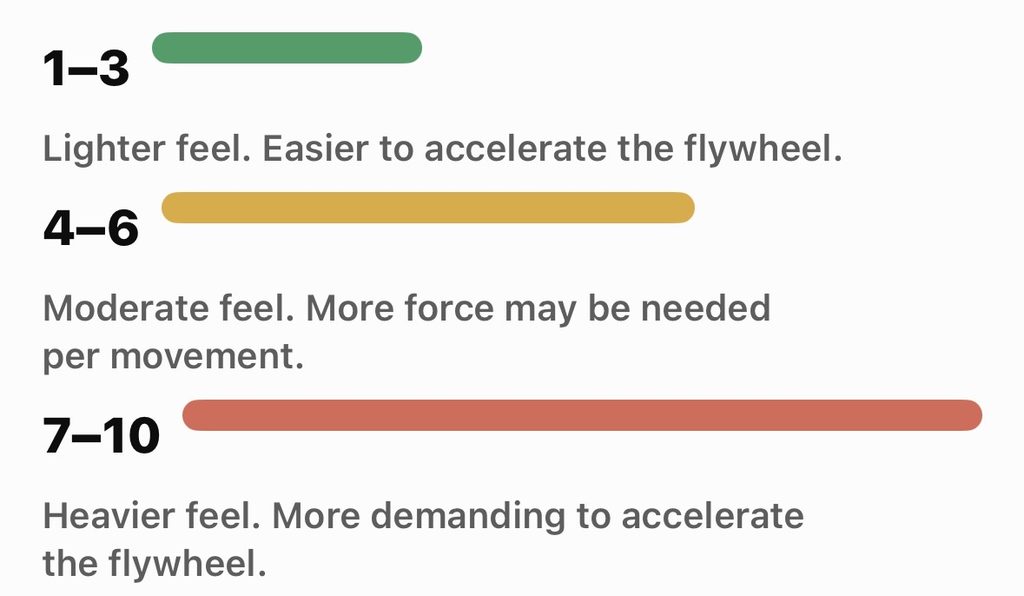
This doesn’t automatically mean more watts, more meters or a better workout. You can produce 100 watts at setting 2 or setting 10.
There is also something called the drag factor, which measures how quickly the flywheel slows down. Two machines with identical damper settings can have different drag factors.
For our younger athletes, I would start with a lighter setting and prioritize proper technique.
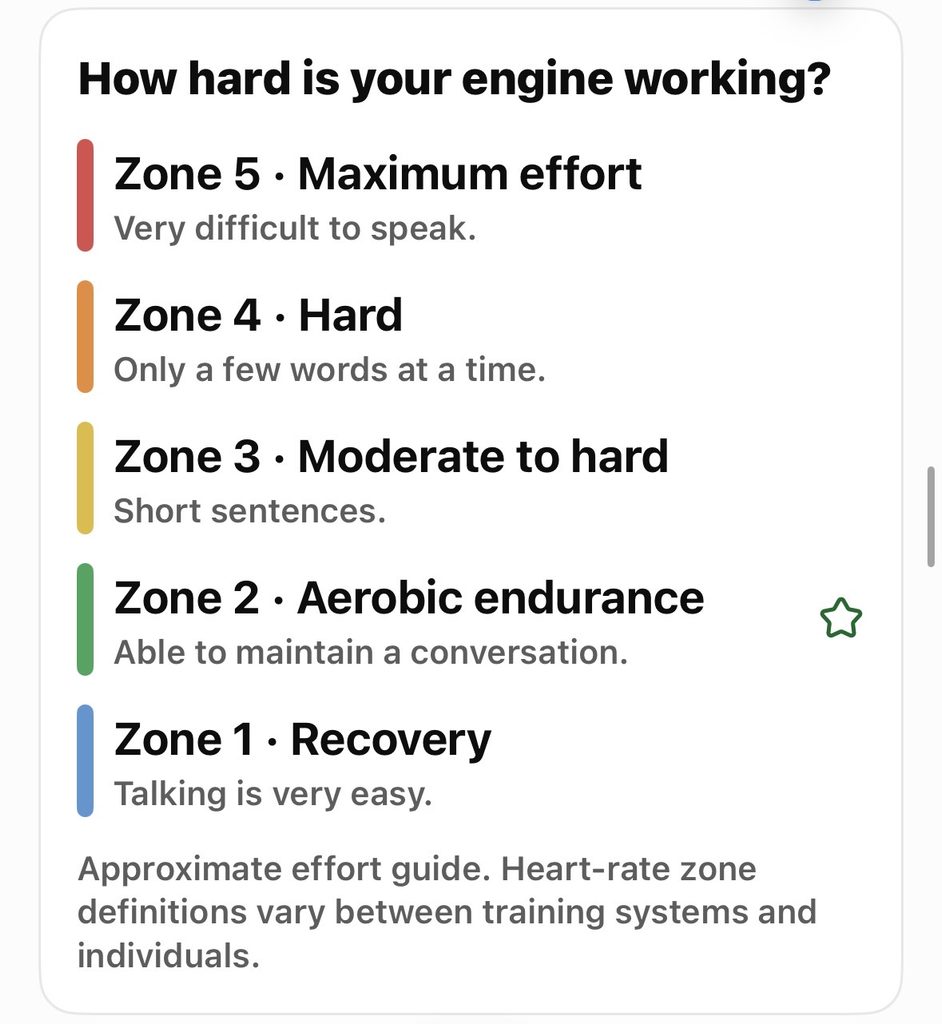
6. Training your heart: The Five zones For hyrox
Your heart is a muscle that helps deliver oxygen and nutrients throughout your body. Just like our other muscles, we can train it to become more efficient.
7. Why we want to develop zone 2
Zone 2 is where we develop our aerobic engine. Training at a comfortable, sustainable intensity helps our bodies improve their ability to use oxygen, produce energy and perform physical activity for longer periods.
- Improve endurance
- recover more effectively between harder efforts
- Become nore effecient at using oxygen.
- Maintain exercise for longer.
- Accumulate training without excessive fatigue.
- Prepare our bodies for more challenging workouts.
The conversation test
The conversation test is a useful approximation of Zone 2 without needing a heart-rate monitor.
Everyone’s Zone 2 will be different. A seven-year-old, a fourteen-year-old and their coach might all produce different wattages while exercising at a similar relative intensity.
We are training our own engines, not competing against someone else’s.
For beginner’s, I would avoid rigid heart-rate targets or applying adult heart-rate formulas. I would also distinguish structured endurance training from everyday physical activity. Beginners still need vigorous play, jumping, sprinting, climbing and muscle-strengthening activities. Zone 2 should be a foundation, not a restriction on how they play.
8.Exercises that improve our cardio machine performance
Squats
Develop leg strength for the rowing drive and cycling.
Resistance band rows
Strengthen the back and teach controlled pulling movements for the RowErg.
Medicine ball slams
Develop coordinated power through the core, shoulders and hips for the SkiErg.
Lunges
Improve single-leg strength, stability and cycling performance.
Hip hinges
Teach students how to use their hips effectively on the rower and skier.
Planks
Develop core stability to help transfer power efficiently on all three machines.
9. OCR Academy cardio science challenge
I would incorporate this into an Obstacle Fit Kids class as a 30-minute educational training block.
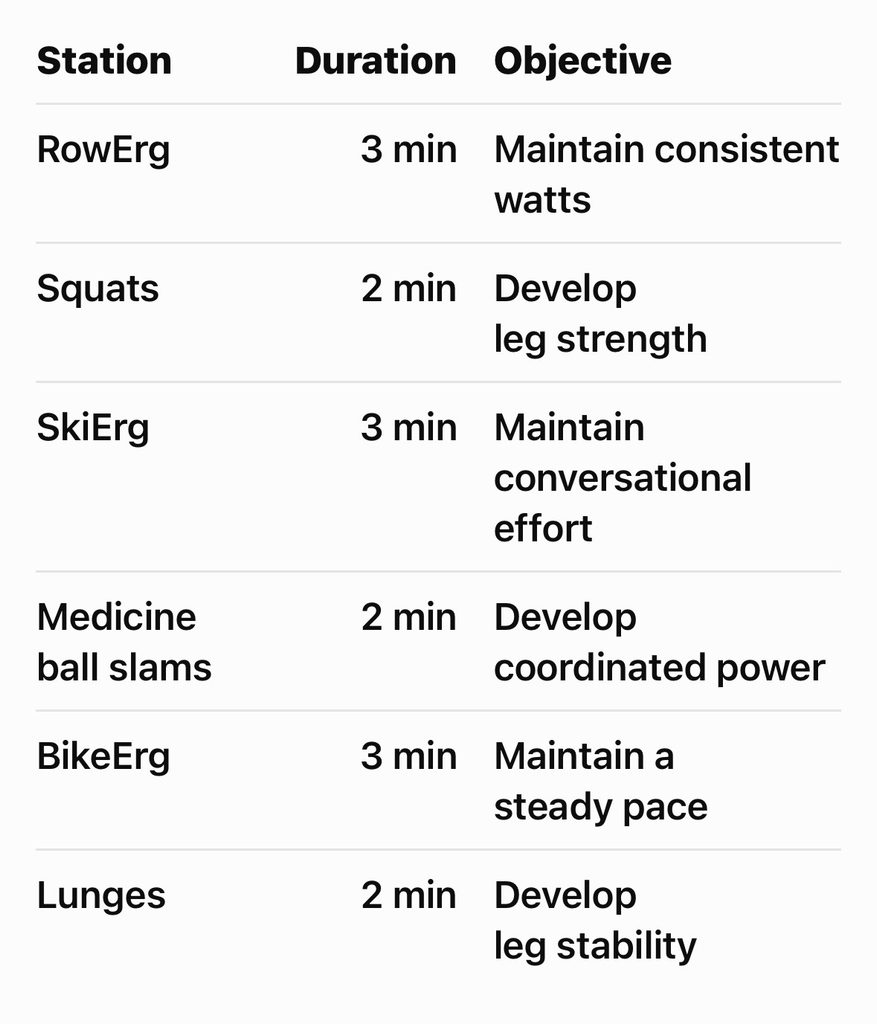
Complete two rounds, allowing additional time for instruction and transitions. Use light resistance and adjust the equipment to each child’s size.
During the second round, challenge the students to reproduce their first-round performance without significantly increasing their perceived effort.
Rather than rewarding the student who travels the farthest, reward the student who demonstrates the best control, consistency and technique.
10. Practice = Progress
One of the best ways to measure improvement is to repeat a workout under similar conditions.
Here is an example of a student completing the same five-minute rowing exercise over five weeks at a similar conversational effort.
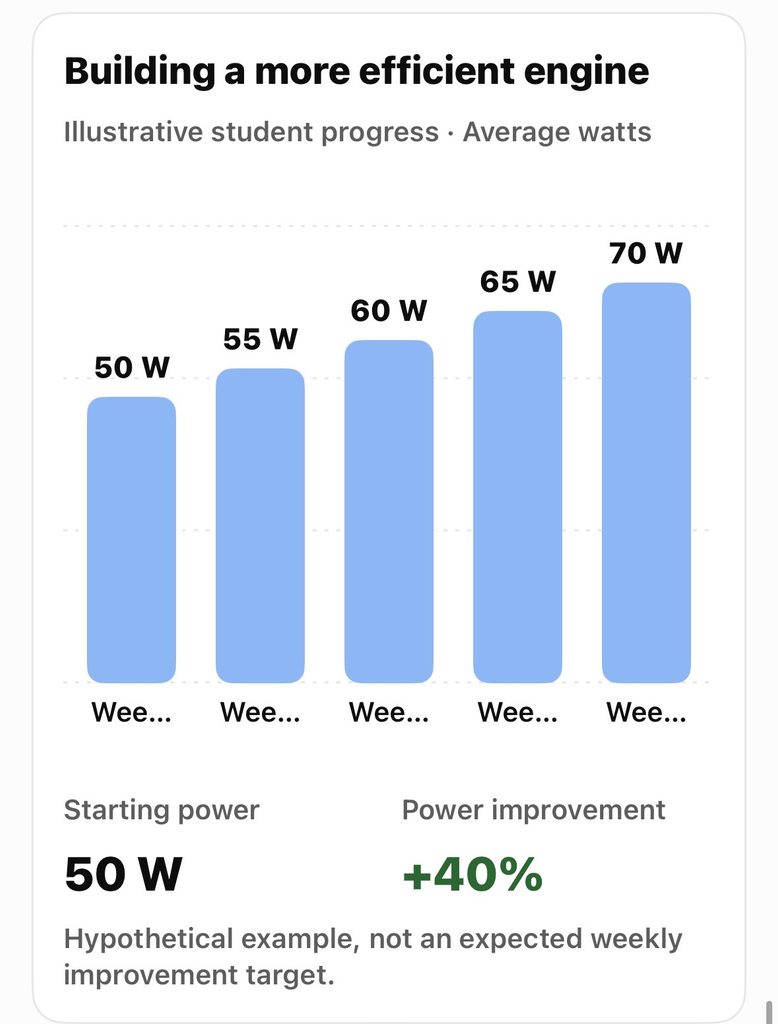
The student is producing more power at a similar effort. That is one possible sign that their technique, strength or cardiovascular fitness is improving.
The message I would leave with you,
Your heart is your engine.
Your muscles produce the power.
Your technique determines how efficiently you use that power.
Your endurance determines how long you can maintain it.
Your brain decides when to accelerate and when to conserve energy.
Being a great athlete isn’t about going as hard as you can every time. It’s about knowing when to go hard, when to slow down and how to keep going.
Your Attractive Heading
Train smarter. Build your engine. Practice = Progress.